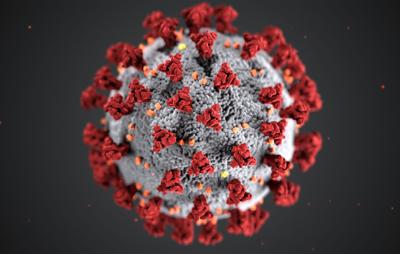
The latest emerging subvariants of the coronavirus that causes COVID-19—BA4 and BA5—have been the most prominent strain in the United States and in Wisconsin in the last few weeks.
The Centers for Disease Control and Prevention reports that BA5 made up 53.6% of all COVID-19 cases in the U.S. from June 26 through July 2, while BA4 made up 16.5% of total cases.
Rock County and Wisconsin have not been able to avoid this new variant.
“BA4 and BA5 are both subvariants of the omicron variant,� said Rock County Public Health Department spokesperson Jessica Turner. “The Wisconsin State Laboratory of Hygiene provides a report of variants identified by region. Within (Rock County), almost all of the samples that have undergone variant testing in the past six months have been identified as the omicron variant.�
On June 30, the U.S. Food and Drug Administration recommended booster shots should include components for BA4 and BA5. Such components have not yet been added to any publicly available vaccine formulations.
“The current vaccines and boosters still provide some protection against severe disease for all of the variants in circulation,� Turner said. “The vaccines continue to be the best protection we have against COVID-19 and severe illness from the disease. The FDA also recently recommended the inclusion of omicron BA4 and BA5 in a booster that will likely be available this fall.�
There is not much information available regarding the BA4 and BA5 subvariants.
“We don’t know the exact reason that BA4 and BA5 have become the dominant subvariants,� Turner said. “However, as a variant or subvariant becomes the dominant strain, more people are exposed, become sick and acquire temporary immunity. This allows space for another variant or subvariant to move in and take over as the dominant strain.�
Turner recommends getting tested if you have been traveling or believe you have been exposed.
“It is important to get tested if you have symptoms of COVID-19 or have been exposed to someone who has COVID-19,� Turner said. “You may want to get tested if you are traveling or have been in a high-risk setting like a large event or gathering. You may also want to get tested before spending time with loved ones who are immunocompromised or at high risk of becoming severely ill from COVID-19.�
Home tests have been more and more available, but might not be as reliable as a lab test.
“Home tests are convenient and are great for rapid results. It is important to keep in mind that a negative result means that the test did not detect the virus, but does not completely rule out infection,� Turner said. “If you test negative but have reason to suspect that you may have COVID-19, you can repeat the test 24 to 48 hours later or seek a confirmatory laboratory test.�