

JANESVILLE
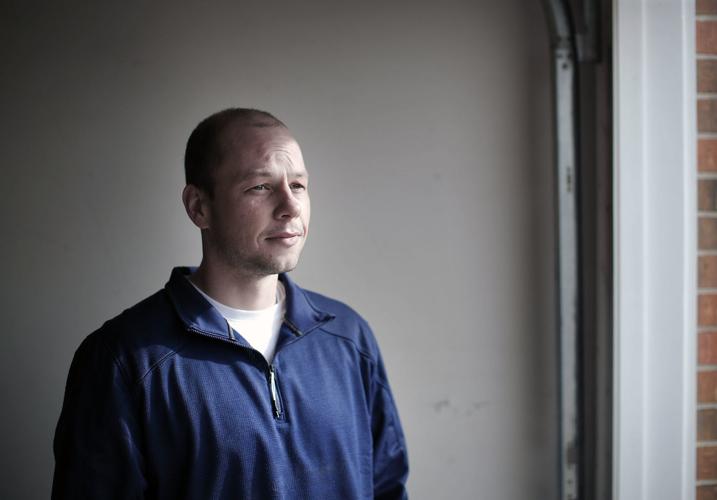
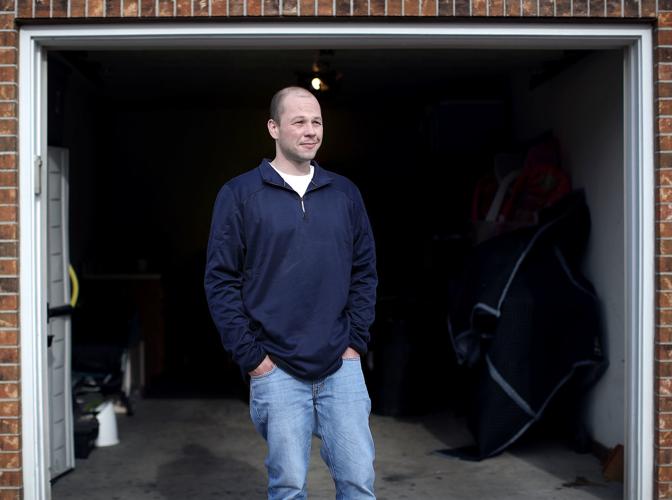
Edwin Galuk woke up March 26 with a sore throat, a cough, body aches and a fever.
A week later, he owed the Mercyhealth system $1,789.
Galuk, a 35-year-old Janesville man, said he was shocked that the bill for his COVID-19 test was so expensive and was given to him within a week of being tested.
Barb Bortner, vice president at Mercyhealth, said it is standard for people to receive bills just days after seeking treatment.
The Coronavirus Aid, Relief and Economic Security Act—known as CARES—requires insurance companies to cover COVID-19 test costs.
But Galuk is among the 7% of Rock County residents who do not have health insurance, according to the Robert Wood Johnson Foundation’s county health rankings.
The Families First Coronavirus Response Act has designated $1 billion to reimburse health care providers nationwide for COVID-19 tests given to uninsured people.
Providers can request claims for reimbursement for tests going back to Feb. 4. The program does not guarantee reimbursement, as there are set funds and a number of requirements providers must meet, according to the Health Resources and Services Administration guidelines.
With constant changes in state and federal programs, Galuk wonders why Mercyhealth chose to send him a bill so soon with no disclaimer about potential aid programs.
“I just thought it was wrong sending it (the bill) so quickly without a note to say this might change,� Galuk said. “It left a bad taste in my mouth.�
A courtesy bill is always sent to patients to show which charges have been submitted to insurance companies, Bortner said.
She said she could not comment on specific bills or situations because of privacy laws.
Fortunately, Galuk did not have COVID-19. But he said he is left with the stress of paying the bill.
Galuk works as a heating and cooling installer and service technician.
He and his girlfriend have been saving money for a house for them and their 2-year-old daughter. Galuk said he might have to dip into those savings to pay the bill.
“I know I am working, but for someone not working, what are they supposed to do?� he asked. “... I am not in the greatest situation but not in the worst. I can’t be the only one.�
Concerns have been raised nationally that the cost of testing and treatment might prevent people from seeking care.
Anything that keeps people from getting tested is a concern for public health officials, said Kelsey Cordova, public information officer for the Rock County Public Health Department.
“We can’t investigate and help reduce the virus’ spread unless we know who is infected,� she said.
Getting tested
After Galuk showed symptoms of COVID-19, his girlfriend recommended that he call a doctor.
Galuk doesn’t have a primary care doctor, but his girlfriend was able to reach her doctor, who offered to see Galuk via video chat.
On the video chat, the doctor told Galuk he had flu-like symptoms and should be tested for COVID-19. The doctor referred him to the referral-only drive-through testing site at Mercyhealth North.
Workers stuck two long swabs up Galuk’s nose, an experience he described as “unbearable.�
He got a call the next Monday saying he had bronchitis, not COVID-19.
Mercyhealth documents shared with The 69ÂÜÀò verify those test results and the billing amount.
Getting the bill
Galuk said he received a bill for $2,386 three days after the doctor called him with results.
He got a $596 discount labeled “self-pay, uninsured.� The remaining charges included testing for other infections and diseases. He did not receive treatment at Mercyhealth.
Galuk said he appreciated the care he received, but he wished doctors or other staff would have offered clarity on the cost and types of tests.
“While we cannot speak to any particular patient, we do know that in our research, we have discovered that patients presenting with respiratory symptoms are receiving tests related to pneumonia to rule out all clinical issues,� Bortner said.
Drive-through testing facilities create additional costs for health care systems, she said.
“The number of providers it takes to create the drive-through, register the patient, ensure appropriate medical coverage and perform the test has increased as we have moved providers to priority service areas,� Bortner said.
“Therefore, our costs are actually more than they have ever been.�
Mercyhealth announced this week that it was enforcing 10% pay cuts for health system leaders to offset costs from COVID-19 and a $30 million shortfall because of issues with Illinois’ Medicaid system.
Bortner said those with concerns about their bills can reach out to the business office.
Galuk said he plans to call Mercyhealth soon.
“We are very aware of the economic impact this pandemic has had on our community,� Bortner said.


