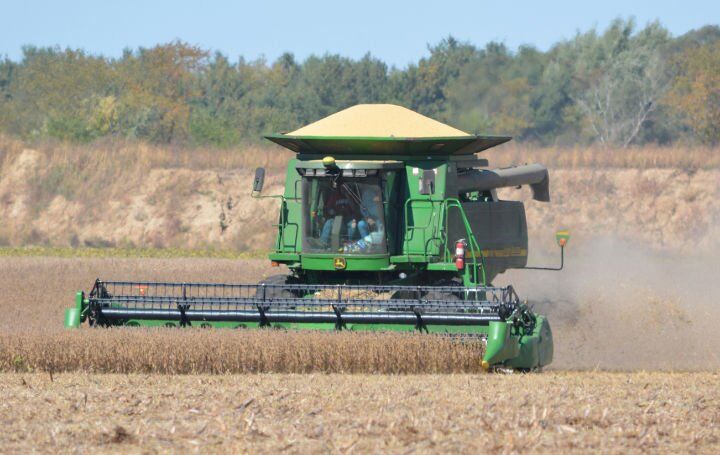
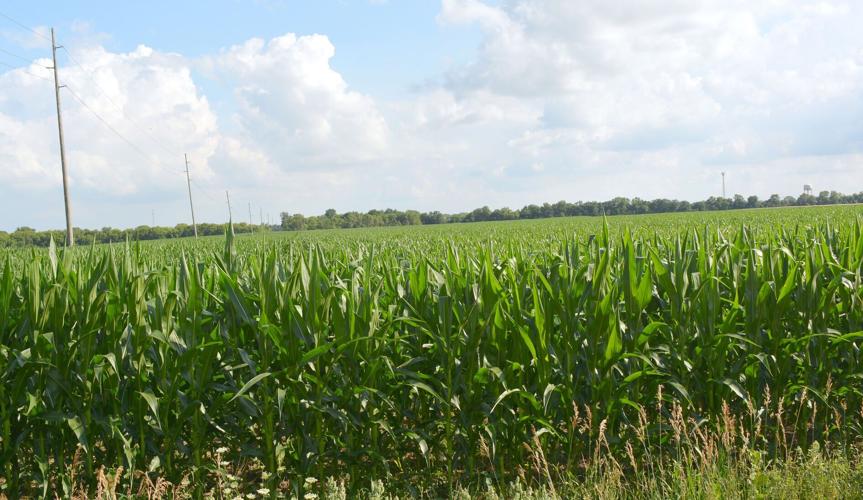
The first half of 2022 brought some unusual weather to southern Wisconsin and northern Illinois, particularly a cold and wet stretch that delayed planting and may farm crops in other ways.
“This delay has put the crops a little behind in growth,� said Jordan Schuler, regional crop educator for UW-Extension Rock County. Early cold weather followed by hot, dry conditions can bring early tasseling in corn, he noted.
Phillip Alberti, a commercial agriculture educator for Illinois Extension in Winnebago County, agreed that “northern Illinois was hit hard with snow and rain early in the spring season,� raising concerns about planting delays.
May, however, turned out to be drier.
“Farmers were able to recover and make up for the lost time,� Alberti said.
Shuler warned, however, that this dry period could bring other problems.
“Now we are in hot, dry conditions that if continued, could cause plant stress and affect yield,� Shuler said.
There’s good rain, and damaging storms, Alberti said.
“Recently, we have got hit with storms that involve heavy winds and heavy rain that has caused flooding,� Alberti said. “What we really need is steady rain with less wind. Having an inch to half an inch of rain throughout the month,� is best, he said.
But with abnormal rain patterns, the remaining season outlook is uncertain, Alberti admitted.
“It is too early to tell how this will affect the crops and the harvest later this year,� he said.
Top-yielding crops in both Winnebago County and Rock County this year are expected to be soybeans and corn, both Shuler and Alberti noted.
“But there are also people growing and processing vegetables, like snap beans and peas,� Shuler said.
And they both said the cost of farm supplies like fertilizer have risen.
“I have heard from a few farmers that they noticed...people switching to planting soybeans instead of corn due to high fertilizer prices,� Shuler said.